Solar Power After Sunset: How Solar Batteries Keep Your Home Running at Night
Most people understand how solar panels generate electricity during the day, but a common question remains: what happens when the sun goes down? If your solar panels only produce power during daylight hours, how can you continue using clean energy after dark?
This is where solar batteries change everything. By storing excess electricity generated during the day, a battery allows homeowners to use solar energy long after the sun sets. Instead of sending all surplus power back to the grid, you can keep that energy available for your own use when it is needed most.
In this guide, we’ll explore how solar batteries work, how they power your home at night, and why battery storage is becoming one of the most valuable additions to modern solar systems. Whether you’re considering a new installation or upgrading an existing solar system, understanding the role of battery technology can help you maximise your solar investment and move closer to energy independence.
What Happens to Solar Power When the Sun Goes Down?
A common misconception is that solar power disappears completely once daylight ends. In reality, the electricity generated during the day can still be available later if it is stored correctly.
During daylight hours, a solar panel captures sunlight and converts it into electricity. As solar panels produce energy, that electricity is first used by the home. Any excess solar that is not immediately required can either be exported to the grid or stored in a battery.
Without a battery, homeowners typically rely on the grid once the sun sets. This means that even though the solar panels generate electricity throughout the day, much of that energy may no longer be available when electricity demand is highest in the evening.
This is why more households are investing in solar batteries. Instead of losing access to valuable solar generation at night, stored solar energy can be used long after daylight has disappeared.
How Do Solar Batteries Work?
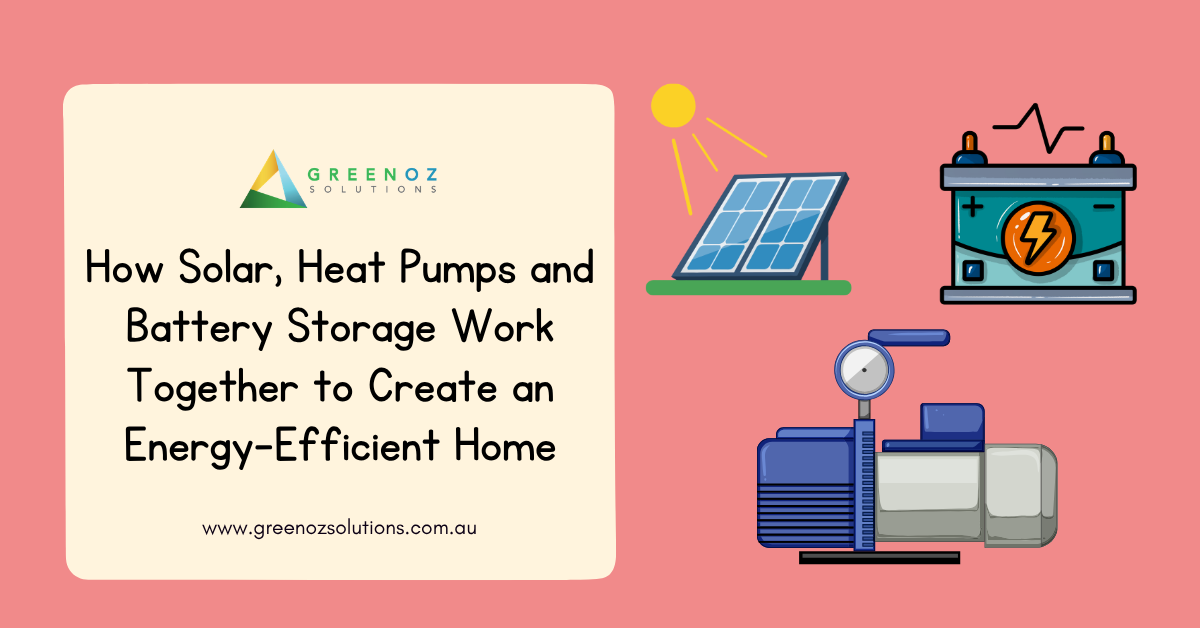
A battery works by storing electricity that would otherwise be exported from your solar system. During sunny periods, solar panels generate electricity that powers appliances during the day. When generation exceeds consumption, the battery begins charging.
Think of a battery as an energy reserve. Rather than sending all unused solar energy back to the grid, the battery allows you to store energy for later use. This stored electricity becomes available when solar production decreases or stops entirely.
Modern solar batteries store energy efficiently and release it when required. The process happens automatically, making it easy for homeowners to benefit from solar energy at night without needing to manage the system manually.
A quality battery system can help households make better use of their own renewable energy while reducing dependence on external electricity suppliers.
Why Battery Storage Is Changing Home Energy Use
The way Australians consume electricity is changing rapidly. Traditionally, households relied heavily on electricity supplied by the grid, especially during evening hours when solar panels stop producing power.
Battery storage allows homeowners to shift their energy usage patterns. Instead of purchasing electricity at night, they can draw power from energy stored earlier in the day. This simple change can significantly reduce electricity costs over time.
A battery storage solution also helps improve energy management by giving homeowners greater control over how and when electricity is used. Rather than exporting all excess solar energy, households can keep more of their own generation for personal use.
As electricity prices continue to rise, battery storage is becoming an increasingly attractive option for homeowners looking to reduce long-term energy expenses.
How Solar Batteries Power Your Home at Night
One of the biggest advantages of a battery is its ability to power your home after sunset. Once solar panels stop generating electricity, the stored energy inside the battery takes over.
This process happens seamlessly. When solar generation drops and household demand continues, the battery begins supplying electricity to lights, appliances, and other connected devices. In many cases, homeowners may not even notice the transition.
A properly sized solar battery system can provide enough electricity at night to cover many household energy needs. Depending on the size of your solar system and battery capacity, you may be able to power your home throughout the night without drawing from the grid.
This ability to use solar power at night is one of the key reasons battery adoption is growing across Australia.
The Benefits of Solar Battery Storage for Homeowners
There are many benefits of solar battery storage beyond simply keeping the lights on after dark.
First, batteries provide greater control over household electricity consumption. Rather than exporting surplus generation for a relatively small solar feed-in credit, homeowners can use their own stored electricity when energy prices are higher.
Second, battery technology supports greater energy independence. By reducing the amount of electricity purchased from the grid, households become less vulnerable to changing electricity prices and market conditions.
Solar battery storage also helps homeowners maximise your solar investment. Every unit of electricity that can be used within the home instead of being exported represents additional value from the solar system.
For many families, the combination of savings, reliability, and flexibility makes battery technology an appealing upgrade.
Can Solar Batteries Keep Your Home Running During a Power Outage?
One of the most common questions homeowners ask is whether a battery can provide backup power during a power outage.
The answer depends on the design of the battery system. Some batteries are specifically configured to provide backup electricity during grid interruptions, while others focus primarily on energy savings.
Battery-backed solar systems can automatically switch to stored electricity when the grid becomes unavailable. This allows essential appliances such as lighting, refrigeration, internet equipment, and selected circuits to continue operating.
While not every battery system provides whole-home backup, many homeowners appreciate the additional security and peace of mind that comes from having stored electricity available during unexpected outages.
How Long Do Solar Batteries Last?
A battery is a long-term investment, so understanding lifespan is important.
Most modern lithium batteries are designed to deliver reliable performance for many years. Depending on usage patterns, installation quality, and operating conditions, solar batteries last anywhere from 10 to 15 years or more.
Several factors influence battery lifespan. These include charging cycles, temperature conditions, maintenance practices, and overall system design. Choosing a high-quality battery and ensuring professional solar installation can help extend battery life.
Many manufacturers also provide performance warranties that guarantee a certain level of storage capacity over time, giving homeowners added confidence in their investment.
Choosing the Right Battery for Your Solar System
Not every battery is suitable for every property. The right choice depends on energy consumption patterns, household size, and solar generation capacity.
Homeowners should consider the size of your solar system when evaluating battery options. A battery that is too small may not provide sufficient storage, while an oversized system could increase upfront costs unnecessarily.
For example, a 10 kWh battery may suit many average households, but larger properties with higher electricity consumption may require additional capacity.
When comparing products, factors such as battery performance, warranty coverage, efficiency ratings, and compatibility with the solar inverter should all be considered.
A professional solar installer can help determine the most appropriate battery solution based on your specific energy needs.
Common Misconceptions About Solar Power at Night
There are many misconceptions about solar technology, particularly regarding night-time operation.
One common myth is that solar power works at night. Solar panels require sunlight to generate electricity, so solar panels stop producing power once daylight disappears.
Another misunderstanding is that batteries create electricity. In reality, batteries store electricity generated earlier by the solar panel system. They do not generate power themselves.
Many people also assume that solar and battery systems eliminate all reliance on the grid. While this may be possible in some situations, most homes remain connected to the grid as an additional source of reliability.
Understanding these misconceptions about solar helps homeowners make informed decisions about battery technology and solar solutions.
Is a Solar and Battery System Worth the Investment?
For many homeowners, adding a battery to a solar power system can deliver significant long-term benefits.
The ability to store excess solar energy and use it later increases self-consumption and improves the financial return of a solar investment. Rather than exporting valuable electricity for a modest credit, households can use that power when it delivers the greatest value.
A solar and battery system can also provide greater protection from rising electricity prices while supporting household sustainability goals. As renewable energy becomes an increasingly important part of Australia’s energy future, battery technology is helping households take control of their energy.
Whether your goal is reducing electricity bills, increasing resilience, or achieving greater energy independence, a battery can play a central role in creating a smarter and more efficient home energy solution.