Heat Pump, Solar and Battery Storage: How They Work Together for an Energy Efficient Home
As more homeowners look for smarter ways to reduce electricity costs and improve comfort, combining a heat pump, solar, and battery storage has become one of the most effective solutions. Instead of relying heavily on traditional energy sources, this combination allows households to generate, store, and use clean electricity more efficiently throughout the day.
Understanding how these technologies work together helps you make informed decisions when upgrading your home. Whether you’re planning to install a solar panel, considering a new heat pump, or exploring battery options, knowing how each component supports the other can help you maximise savings while creating a more energy-efficient home.
In this guide, we’ll explain how these systems operate, the benefits they offer, and why many Australian homeowners are choosing to combine them into one smart energy system.
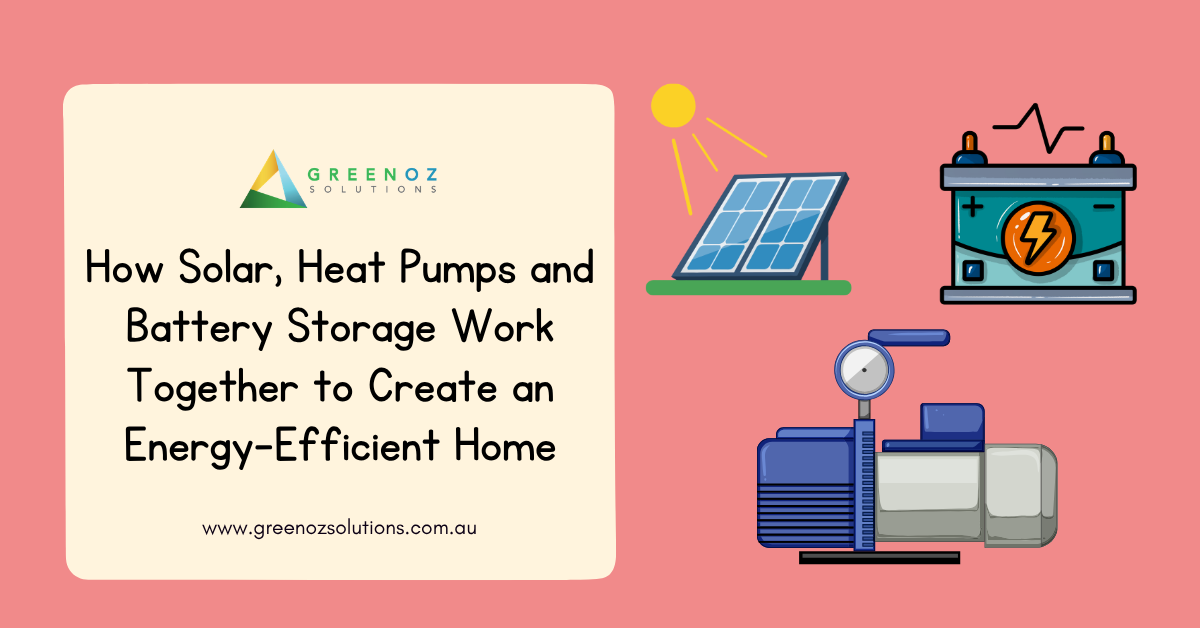
Why Heat Pumps, Solar and Battery Storage Make the Perfect Combination
Many households are looking for ways to reduce their dependence on traditional energy while lowering monthly expenses. Combining a heat pump, solar, and battery storage provides an efficient solution that delivers year round comfort while improving overall energy performance.
A modern heat pump system uses electricity to provide heating, cooling, or hot water far more efficiently than conventional systems. When that electricity comes from a solar system, homeowners can significantly reduce their reliance on the grid while lowering their carbon footprint.
Adding battery storage allows your home to keep using clean electricity even after sunset. Instead of exporting all unused electricity back to the grid, the stored power becomes available later when your household needs it most. This is how these technologies battery storage work together to deliver greater efficiency and lower operating costs.
How a Heat Pump Works with Solar Power
A heat pump does not create heat by burning fuel. Instead, it captures heat from the air and transfers it where it is needed. This highly efficient process means it requires much less electricity than many traditional heating methods.
Simply put, heat pump works by moving heat rather than generating it. Modern heat pump technology allows homeowners to heat living spaces or produce hot water while consuming far less energy than older systems.
When paired with solar power, the system becomes even more efficient. During daylight hours, solar panels generate electricity, allowing you to power your heat pump using renewable energy instead of purchasing additional grid electricity.
Many homeowners choose a hot water heat pump because it provides reliable home and hot water while reducing operating costs. When powered by solar, these systems deliver excellent long term value while lowering household energy consumption.
Understanding Battery Storage and How It Supports Your Home
While solar systems produce electricity during daylight hours, household demand often continues well into the evening. This is where battery storage becomes extremely valuable.
A modern battery storage system captures excess energy produced during the day. Instead of sending every unused unit back to the grid, the electricity is stored in a battery until your family needs it later.
This means the solar power is used more effectively throughout the day and night. Instead of buying more electricity after sunset, your home can use the energy stored in the battery, reducing the amount of power purchased from the utility provider.
For many households, adding storage also improves energy independence, protects against changing electricity prices, and helps achieve greater control over long term energy costs. When combined correctly, solar, a heat pump, and storage create a smarter, more reliable home energy solution.
How Solar Panels Generate Electricity
Every modern solar panel captures sunlight and converts it into usable electricity for your home. The photovoltaic cells inside the panels convert sunlight into electricity, allowing homeowners to produce clean energy directly from their rooftops.
A quality solar pv installation begins producing electricity as soon as sunlight reaches the panels. Throughout the day, solar panels generate the power required to operate lighting, household appliances, and other electrical equipment. Any unused energy generated during peak sunshine hours can either be exported to the grid or stored for later use.
A complete solar pv system is designed to supply much of your home’s daytime electricity needs. Because panels convert sunlight into electricity, they reduce the amount of purchased energy while lowering your reliance on fossil fuels. This makes solar energy one of the most practical forms of renewable energy available for residential properties.
Why Adding a Battery Increases Energy Savings
Without storage, any excess solar energy that is not immediately used in the home is generally exported to the grid. While feed in tariffs can provide some return, many homeowners achieve greater value by adding a battery.
A battery allows you to store excess energy produced during sunny periods. Instead of purchasing power later in the evening, your household can use the stored electricity to operate appliances in your home, helping reduce your dependence on the grid.
Combining solar and battery technology gives homeowners greater flexibility and improved control over daily energy use. It also helps deliver lower energy bills, especially as rising energy costs continue to affect households. Using stored electricity after sunset means buying less from the grid, resulting in better long term energy savings.
Choosing the Right Heat Pump and Solar Installer
Selecting an experienced installer is one of the most important decisions when planning your project. A qualified professional will assess your property’s energy needs, roof orientation, household usage patterns, and recommend the most suitable equipment.
Whether you plan to install solar, install a heat pump, or upgrade both systems together, professional design ensures every component is correctly sized. This improves overall efficiency and ensures your heat pump installed works seamlessly with your solar system.
An experienced installer will also explain available rebates, system warranties, and the expected installation cost. Professional installation helps ensure every component is designed to work together while providing maximum reliability for many years.
Understanding Costs, Rebates and Long Term Savings
The initial upfront cost of installing solar, a heat pump, and storage is often the biggest consideration for homeowners. Although the investment can appear significant, the long term savings frequently outweigh the initial expense.
Government incentives for solar, rebates, and financing programs help reduce the upfront cost, making these technologies more affordable for many households. Over time, lower energy bills and reduced reliance on purchased electricity help recover much of the investment.
Because solar panels generate electricity every day, households rely less on expensive utility power. Combined with efficient heat pump technology and battery storage, these systems continue lowering operating expenses while protecting homeowners from rising energy prices.
How to Maximise Performance Throughout the Year
Installing high quality equipment is only the first step. To maximise the benefits of your heat pump, solar, and storage system, regular maintenance and smart energy use are essential.
Schedule periodic servicing for your heat pump system to ensure it continues operating efficiently. Keep your solar panel clean and free from debris so it can capture as much sunlight as possible. Monitoring your home’s solar generation also helps identify opportunities to use more of the energy your system produces.
Try to run major appliances during daylight hours when solar panels generate electricity. This allows more solar power to be used immediately while reducing the amount of electricity purchased from the grid. If your home includes solar batteries, any unused excess solar can be stored and used later, improving overall home energy management.
Is This Combination Right for Your Home?
Every household has different energy requirements, but many families can benefit from combining a heat pump, solar, and battery storage. If you’re looking to reduce energy costs, lower your environmental impact, and improve home comfort, this combination is well worth considering.
A heat pump can provide efficient heating, cooling, and hot water using far less power to run than conventional systems. When combined with a home solar system, the electricity generated by your solar panels helps power the home while reducing dependence on traditional energy sources.
If your property experiences high daytime solar generation, adding storage allows more of that clean electricity to be available after sunset. This means more solar energy is available energy to meet your daily household needs while reducing your reliance on the grid.
Future Proofing Your Home with Clean Energy
Modern homes are moving towards smarter and cleaner energy solutions. A solar heat pump system combines highly efficient heating with renewable electricity to create an environmentally responsible solution for today’s households.
Many solar heat pumps are designed to deliver reliable heating and hot water throughout the year while reducing household emission levels. As heat pumps include advanced efficiency features, they require less energy to run than many traditional systems.
Choosing a heat pump and electric solution that is supported by solar and storage creates a flexible, future ready home. Together, solar and heat pump technology reduce your dependence on conventional energy while supporting long term sustainability.
Whether you’re installing solar panels for the first time or upgrading an existing solar power system, combining these technologies creates a smarter and more energy-efficient way to manage your home.
Conclusion
Combining a heat pump, solar, and battery storage is one of the most effective ways to improve your home’s energy performance. Each system plays an important role. Solar generates clean electricity, the heat pump uses that electricity efficiently for heating or hot water, and battery storage ensures unused energy remains available when you need it most.
Although there is an upfront cost, the long term benefits include lower running expenses, greater comfort, improved sustainability, and reduced exposure to rising utility prices. Together, these technologies help create a modern energy-efficient home while reducing your carbon footprint.
As technology continues to improve, homeowners have more opportunities than ever to build reliable, efficient, and environmentally friendly homes. Investing in the right systems today helps reduce energy consumption, supports clean energy, and provides lasting value for years to come.
Key Takeaways
- A heat pump provides efficient heating, cooling, or hot water using less electricity.
- Solar panels generate clean electricity throughout the day.
- Battery storage allows excess electricity to be used after sunset.
- Combining these technologies reduces dependence on the grid.
- Professional installation ensures every system works efficiently together.
- Government rebates can help reduce the initial investment.
- Smart energy management helps maximise long term savings.
- Regular maintenance keeps systems operating efficiently.
- Clean energy solutions reduce household emissions and environmental impact.
- A combined system helps create a more comfortable, sustainable, and cost effective home.