What Appliances Use The Most Electricity? A Complete Guide To Household Appliances That Use The Most Energy
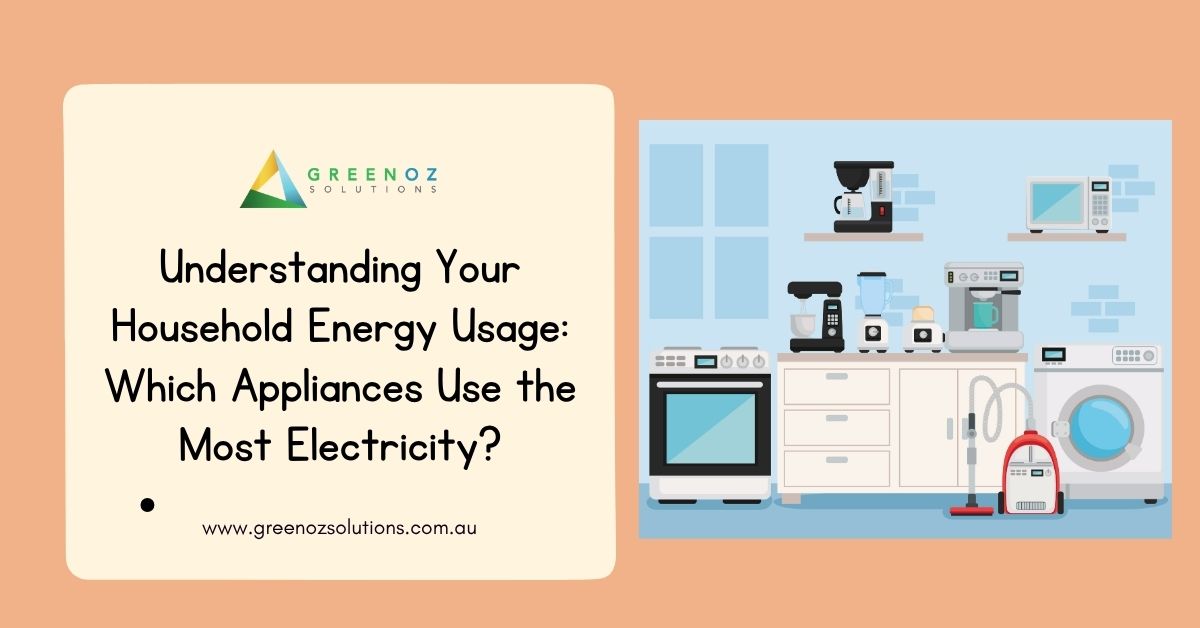
Electricity runs almost everything in a home — from keeping the fridge cold to keeping rooms at a decent temperature. People tend to obsess over lighting when they’re trying to cut costs, but honestly, the real damage on a power bill comes from the bigger appliances that run day in and day out. Once you know which appliances use the most electricity, it gets a lot easier to cut the waste and tighten up your home’s energy use without giving up any comfort.
This guide walks through which appliances draw the most power, the reasons behind it, and what you can actually do about your monthly bill. Whether you’re eyeing a replacement, chasing better efficiency, or just curious where all that electricity disappears to, you’ll find something useful here.
What Determines How Much Electricity an Appliance Uses?
Appliances don’t all use power the same way. Some just sit there running all day long, while others draw a big hit of electricity in short, sharp bursts. Once you understand that difference, your home’s total energy consumption starts to make a lot more sense.
How much electricity something uses really comes down to a few things — its power rating, how often you run it, and how long it stays on. Big systems like air conditioners, fridges, and heaters chew through more power simply because they’re doing heavier work over longer stretches. Smaller gadgets might look harmless on their own, but plug in enough of them and they start adding up too.
Age matters as well. Older gear usually skips the efficiency improvements that newer models come with, so it ends up using more energy to do the exact same job. Checking the energy rating before buying something new gives you a solid clue about what it’ll cost to run.
Which Appliance Uses the Most Electricity in a Typical Home?
This is the question most homeowners eventually ask. The honest answer shifts depending on your habits, your climate, and how many people live in the house — but generally, anything tied to climate control ends up at the top of the list.
Reverse-cycle air conditioners, electric heaters, electric storage hot water systems, and pool pumps usually rank as the heaviest users. They’re on for long stretches and need a serious amount of energy just to keep things comfortable.
Refrigerators deserve a mention too, since they’re running around the clock, 24 hours a day. Each cooling cycle isn’t too demanding on its own, but multiply that by a full year and it adds up fast. Once you know which appliances are eating up most of your power, you’ve got a real starting point for trimming costs.
Rather than replacing everything in the house at once, it makes more sense to figure out which appliance is the biggest offender and put your energy there first. That’s usually where you’ll see savings fastest.
Why Are Heating Systems Among the Biggest Energy Consumers?
Heating is often the single biggest draw on a home’s electricity, especially once the colder months roll in. Whether you’re running electric panel heaters, a reverse-cycle system, or just a portable unit, keeping the house warm takes a noticeable chunk of power.
A newer heater turns electricity into warmth pretty efficiently, but older units usually need more power to get the same result. Bad insulation, gaps around windows, and drafty rooms all force the heater to work harder and longer, which pushes both your electricity use and your bill up.
A lot of people don’t realize just how much heating shapes their annual costs. Even running the heater a couple extra hours a day can noticeably bump up the monthly statement. Better insulation, sealing up leaks, and setting the thermostat sensibly are all practical ways to cut back without freezing.
Pairing efficient heating and cooling with decent home insulation also helps year-round, cutting down on wasted power no matter the season.
Does Your Hot Water System Increase Electricity Consumption?
For a lot of households, heating water quietly becomes one of the biggest ongoing expenses. Traditional electric storage systems keep heating water even when nobody’s using it, which puts them among the heaviest energy users in the house.
If your water heater’s on the older side, it could be using a lot more electricity than it needs to. Heat pump technology, better insulation, and smarter temperature controls have come a long way in recent years. Picking the right system can genuinely lower your bill while still giving the whole family reliable hot water.
Small habits help too. Turning the thermostat down a notch, fixing a leaking tap, putting in efficient showerheads, and skipping hot water for minor cleaning jobs all chip away at your usage.
Plenty of homeowners are caught off guard by just how much electricity goes into heating water every single day. Keeping an eye on your usage patterns is a simple first move toward lowering the whole household’s expenses.
How Much Electricity Do Washing Machines, Dryers and Dishwashers Use?
Laundry appliances get used constantly in most homes. A washing machine, dryer, and dishwasher might each look fairly efficient on paper, but put them together and they account for a real slice of your electricity bill.
The washing machine typically uses less power than people assume, especially if you skip the hot cycles and wash in cold water instead. Heating water takes far more energy than spinning a drum, so switching to cooler wash settings is one of the easiest wins available.
The dryer’s a different story entirely. It generates high heat for long stretches, which means it can burn through a lot of energy every single load. Whenever the weather cooperates, hanging clothes out to dry is a solid way to knock down your electricity bill.
Dishwashers, on the other hand, are usually more efficient than washing dishes by hand — as long as you’re running full loads. Switching to eco mode lets the dishwasher use less water and less electricity while still getting dishes clean.
Are Cooking Appliances Responsible for High Electricity Bills?
The kitchen is packed with appliances that get used every day, which makes it one of the bigger contributors to a home’s power use. Ovens, electric cooktops, microwaves, air fryers, kettles, and rice cookers all draw electricity, though how much depends heavily on how often and how long they’re running.
Electric ovens tend to use more power than smaller countertop appliances since they have to hold high temperatures for a while. Running the oven for several hours a week can quietly push your bill up, while microwaves and pressure cookers usually get the same job done faster and with less energy.
Simple habits in the kitchen help too. Cooking multiple meals in one go, resisting the urge to keep opening the oven door, and matching your cookware to the burner size all improve efficiency. If your area offers cheaper off-peak electricity, timing certain cooking tasks around those windows can shave a bit more off the bill.
Understanding how different appliances use energy means you can make smarter choices without overhauling your daily routine.
How Do Home Entertainment and Home Office Devices Affect Energy Usage?
TVs, gaming consoles, computers, monitors, printers, and networking gear might not seem like big power users on their own, but together they add up to a real share of household energy use. With more people working from home these days, the home office has become a genuine part of the electricity equation.
Big televisions, sound systems, gaming PCs, and streaming devices often stay switched on for hours at a stretch. They don’t draw as much as heating systems, sure, but all that combined running time still shows up on the annual bill.
A lot of electronics also keep drawing small amounts of power even after you’ve turned them off. That hidden draw adds to your total electricity use, especially when several devices stay plugged in around the clock.
Keeping tabs on these smaller users gives you a clearer picture of where your monthly energy actually goes. Turning gear off completely when it’s not needed is one of the simplest ways to cut that unnecessary use.
What Is Standby Power and Why Does It Matter?
Standby power is one of those things that’s easy to overlook entirely. Plenty of TVs, coffee machines, gaming consoles, chargers, printers, and entertainment systems keep drawing electricity even when they look like they’re switched off.
Each device only sips a little on its own, but with dozens of them plugged in around the house, that quiet draw adds up over a year. Over time, it just becomes extra cost with nothing to show for it.
Switching things off at the wall when you’re not using them is a simple, effective fix. Smart power boards can also cut power to multiple devices automatically, so you save energy without having to change much about how you live.
Paying attention to what’s drawing power while idle lets you trim unnecessary costs and get more out of your whole electrical setup.
How Can You Save Electricity Without Replacing Every Appliance?
You don’t need to buy a house full of new equipment to bring your energy costs down. Small shifts in daily habits can genuinely move the needle on your overall power use.
Start by figuring out which appliances are the biggest energy hogs and use them smarter. Only run the washing machine with full loads, cut back on unnecessary dryer cycles, and set your thermostat so the heater isn’t running longer than it needs to. These small habits add up while keeping the house comfortable.
Regular maintenance matters just as much. Cleaning filters, servicing the air conditioner, checking the fridge seals, and making sure everything’s running properly all help appliances use less power over time.
It also helps to just use things more efficiently day to day — full dishwasher loads, cutting back on unnecessary hot water, and swapping out worn equipment when it makes sense. Even something as basic as keeping appliances clean and well maintained pays off long-term.
Should You Upgrade to Energy Efficient Appliances?
If your equipment is pushing past the ten-year mark, switching to energy efficient models could save you real money down the line. Technology’s come a long way, and modern appliances now deliver better performance while using less power across nearly every category.
Today’s efficient appliances give you the same comfort while consuming noticeably less electricity. Fridges, washing machines, air conditioners, and water heaters now come with better motors, smarter sensors, and improved insulation that all cut down on the energy used during normal operation.
When you’re comparing products, look for recognized certifications like Energy Star or your local efficiency labels. These ratings give you a realistic idea of running costs and make it easier to compare similar products before you buy.
Yes, newer appliances usually cost more upfront, but that cost often pays for itself through lower running expenses over the years. As appliances keep improving, homeowners get better comfort, less environmental impact, and lower bills — all without giving anything up on performance.
Conclusion
Knowing which appliances use the most electricity is one of the easiest ways to take charge of your household’s energy costs. Every home is a little different, but heating systems, hot water units, dryers, kitchen equipment, and entertainment devices are usually behind the bulk of residential electricity use.
The good news? Cutting your power bill doesn’t have to mean a major renovation. Keep your appliances maintained, choose energy-efficient models, cut down on standby losses, and pick up a few smarter daily habits, and you’ll see real improvement in your overal electricity use.
It really comes down to knowing where your electricity is going. Once you’ve got a handle on what’s driving the highest consumption, the decisions get a lot easier — and you end up with a home that’s more comfortable, more cost-effective, and more sustainable.
Key Takeaways
- Heating and cooling systems are usually the biggest energy consumer in most homes.
- Electric hot water systems can significantly increase annual electricity costs.
- A clothes dryer generally consumes far more power than a washing machine.
- Running full loads in your dishwasher and washing machine improves efficiency.
- Switching off devices at the wall helps eliminate standby power losses.
- Choosing appliances with a high energy rating reduces long-term operating costs.
- Regular maintenance helps appliances consume less electricity.
- Monitoring your home electricity usage helps identify opportunities to save.
- Small daily habits can make a noticeable difference to your monthly electricity bill.
- Investing in energy-efficient appliances provides long-term savings and better performance.