DIY Home Energy Audit: How To Improve Energy Efficiency Of Your Home, Save Energy & Money
What is an Energy Audit and Why Does Your Home Require One?
DIY Home Energy Audit: Ways to Save Money on Your Energy Bill
A do-it-yourself energy audit can help a homeowner find easy fixes before they become costly ones. Small things like fixing a leak, swapping out old lights or staying on top of appliance maintenance can go a long way in helping cut your monthly energy bill.
Here’s a list of all the things you need to check on your property: your attic, garage, kitchen, laundry room and the outside of your house. Your list should include your heating equipment, your cooling equipment, insulation, windows, doors, and electrical devices. Every little bit helps for more energy savings and helps to cut down energy consumption over time.
Is An Air Leak Sucking Up Your Energy Dollars?
A big reason homes lose efficiency is due to air leaks. Warm air escapes in the winter. The cool air does in the summer. Your heating and cooling systems will have to work harder.
Look for air leaks around windows and doors, door frames, switch plates, electrical outlets and anywhere you see cracks or gaps. Seal these spots with good caulk or weather stripping. A small gap in a door or window can increase your energy use and you may not even know it.
Make sure to check for air leaks around attic hatches, vents, plumbing penetrations and cable entry points. To make a house more comfortable to live in ensure that there are no draughts anywhere.
Is Your Insulation Doing Its Job?
Good insulation is like a blanket for your house. Homes that aren’t well insulated lose heat and the heating and cooling systems have to work harder.
Check the space above your roof and look at your attic insulation; Compare your current insulation to the recommended R-value for your area. Are you insulated poorly in your home? Time for wall, ceiling or floor upgrade or insulation.
Where possible, fit a suitable vapour barrier in high moisture areas to help maintain insulation effectiveness. Good insulation slows the transfer of heat and helps keep indoor temperatures more stable throughout the year.
Are Your Appliances Operating Efficiently?
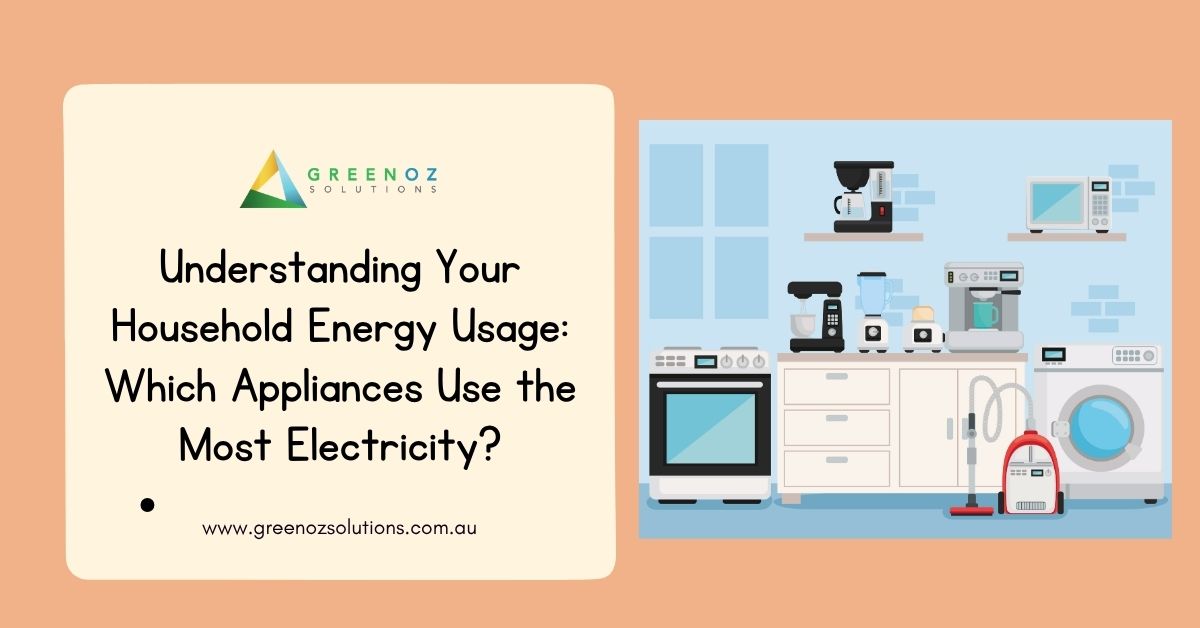
Every device adds to your home’s electricity consumption. Older or poorly maintained units tend to consume more energy than newer models.
Also check other appliances in the house like your refrigerator, dishwasher, washing machine, dryer, TV and kitchen appliances. Maintain clean filters and ensure that each unit is operating efficiently, in accordance with the manufacturer’s recommendations.
When replacing equipment, look for products with the Energy Star label, and compare Energy Star ratings before you buy. The right appliance choice will lead to lower appliance energy consumption and lower long-term running costs.
Are You Suffering Loss of Energy In Your Heating and Cooling Systems?
Your heating and cooling systems are one of the biggest consumers of electricity in your home. Regular servicing helps ensure the whole system works efficiently.
Check your air filters, check your duct work, clean out your supply vent openings and make sure no furniture is blocking the air flow. If you have air conditioning at home, make sure you get it serviced regularly, before the height of summer.
If you have a heat pump, make sure it’s working properly and delivering consistent temperatures. If you have older baseboard heaters, you may want to consider upgrading to newer ones that use less energy as well.
Are you paying too much for your lighting electricity?
There is a lot of outdated lighting technology in many homes. Old incandescent or halogen bulbs can be swapped for modern LED ones to dramatically cut electricity use.Choose the right wattage for each room and think about motion sensors in garages, hallways, outdoor spaces and bathrooms where lights are often left on unnecessarily.
Modern LEDs use far less electricity and last a lot longer than traditional bulbs, which helps you save on your electricity bill and on maintenance costs.
Need to check your water heater?
Your water heater is humming away every day in the background and it can be a big part of your home’s electricity usage.Check the water heater for corrosion or hidden leaks. Check your home’s taps for water leaks. Slow leaks waste water and energy.
If your existing pump or hot water system is dated, replacing it with a modern, energy efficient heat pump water heater can increase performance and lower operating costs.
When to think about a professional energy assessment
Many of the improvements you can do yourself, but some homes need a thermographic inspection to find hidden insulation problems or hidden air leaks.Professional energy assessments may use infrared cameras and other special equipment to find problems that are not visible to the naked eye.
It also provides an official energy efficiency rating, allowing homeowners to prioritise upgrades that will give the best return.If your energy bills are very high and you have already done what you can, a home energy audit can be very useful.
How to Increase Your Home Energy Efficiency?
When you’re done with your inspection, make a list of practical improvements, and rank them by cost and impact.All are working toward clean energy goals such as improved ventilation, repairing leaks, upgrading insulation, replacing inefficient appliances, improved window glazing and better lighting.
Knowing how your home uses energy will help you make your home more energy aware and more energy efficient. Little improvements add up to big energy savings, so you spend less and feel more comfortable.Remember every house is different. The amount of energy you need depends on the design of your home, climate and occupancy, and the condition of systems. Keep an eye on your electric bill. That way if there are any odd changes you may realise you are wasting energy somewhere in your home.
Conclusion
A home energy audit is a great way to get a true picture of your home’s energy use and where you may be able to improve. Check your insulation, appliances, lighting, heating and cooling systems and watch for air leaks. There are a few simple changes you can make to your home to make it cosier and save you money on energy bills. Little things like sealing air leaks, installing LED bulbs, or regularly maintaining your water heater don’t seem like much, but they really add up over time.
Whether you do it yourself or hire a professional, regular energy audits keep your home running efficiently all year round. Good energy habits save households money and contribute to a more sustainable future overall. Little by little you will have a home that is more comfortable, more efficient and better suited to the needs of your family.
Key Takeaways
- Do an energy audit every year.
- Look at insulation and compare to R-value recommendations.
- Seal air leaks with caulk and weatherstrip.
- Replace old appliances with high efficiency models.
- Switch to LED bulbs and add motion sensors wherever possible.
- Have your heating and cooling equipment serviced on a regular basis.
- “Check for leaks in water heater and plumbing.
- Keep track of your energy bill and your energy use.
- It may be worth having a professional inspection for hidden problems.
- Small improvements today add up to big savings over the long haul.