Electricity and Energy Efficiency: Practical Ways Australian Homes Can Reduce Energy Use and Lower Household Costs
If you’ve noticed your electricity bills creeping higher each year, you’re not alone. Across Australia, homeowners are looking for practical ways to manage rising energy costs without sacrificing comfort. The good news is that reducing energy use doesn’t always require expensive upgrades or major renovations. Often, it’s the small changes that make the biggest difference over time.
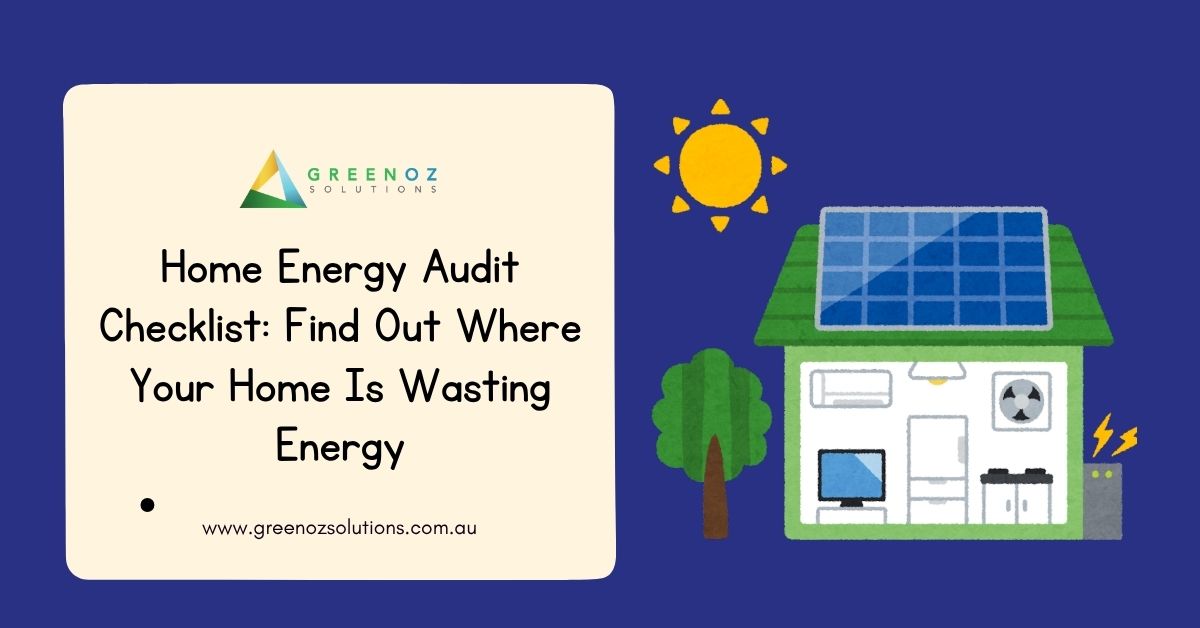
Many people underestimate how much energy is wasted in a typical household. From old appliances and inefficient heating and cooling systems to lights left on in empty rooms, there are countless opportunities to improve efficiency and save money. Understanding where your energy goes is the first step toward making smarter decisions for your home and your budget.
This guide explores simple and effective ways Australian homes can improve energy efficiency, reduce energy waste, and lower electricity costs. Whether you’re looking to cut your monthly energy bill, reduce your carbon footprint, or create a more comfortable living space, these practical tips can help you achieve your goals.
Understanding Household Energy Use in Australian Homes
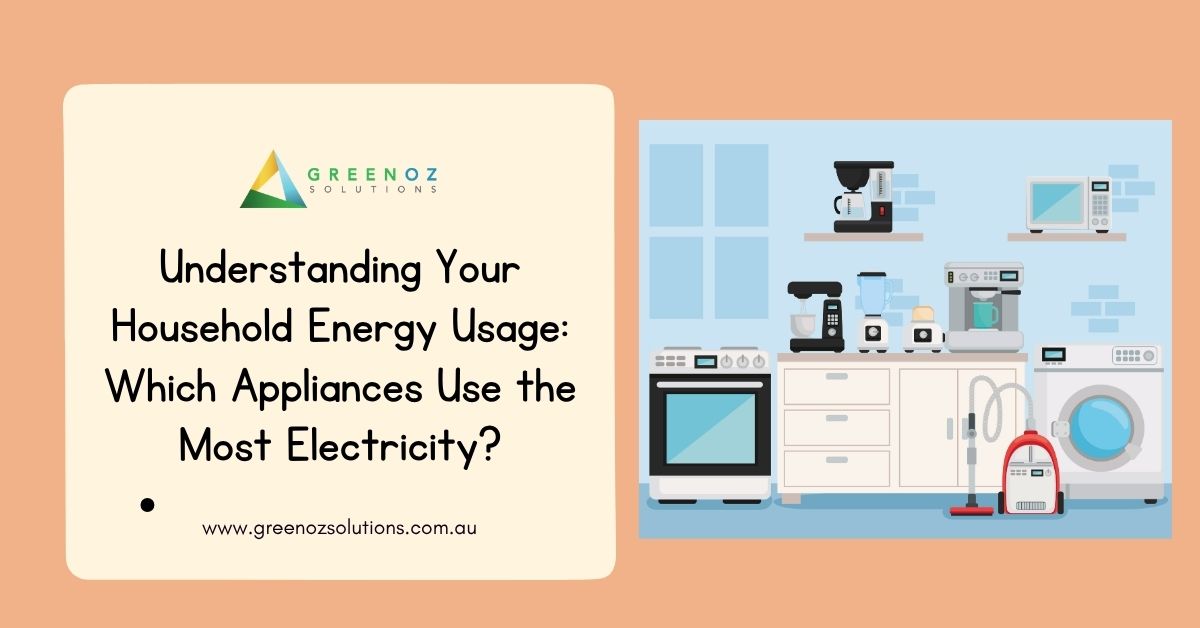
Most homeowners don’t think much about energy until the electricity bill arrives. That’s usually when questions start to arise. Why is the bill so high? Which appliances are using the most power? Where can savings be made?
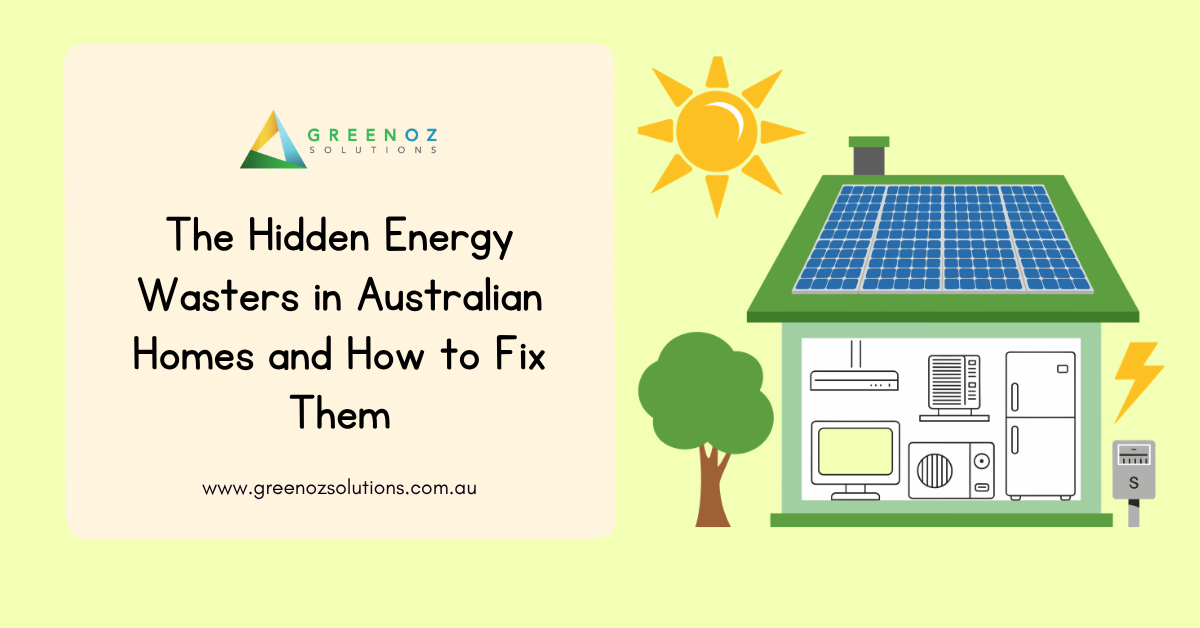
The reality is that household energy use is often spread across many different areas of the home. Heating and cooling, water heating, kitchen appliances, entertainment systems, and lighting all contribute to overall electricity consumption. Some devices run continuously throughout the day, while others use large amounts of power in short bursts.
Understanding household energy usage helps identify where improvements can be made. Every household has different energy needs, but most Australian homes share similar patterns. Heating and cooling account for a significant portion of residential energy use, especially during extreme weather conditions.
When homeowners begin tracking their energy consumption, they often discover opportunities to improve energy efficiency without affecting their lifestyle. Even simple adjustments can make a noticeable difference to the home’s total energy use.
Why Energy Efficiency Matters More Than Ever
With electricity prices continuing to rise, improving energy efficiency has become a priority for many families. But what does it actually mean?
Simply put, energy efficiency means achieving the same result while using less energy. Whether it’s cooling a room, heating water, or operating an appliance, the goal is to avoid unnecessary waste while maintaining comfort and performance.
Improving energy efficiency and conservation benefits both homeowners and the environment. When homes use less electricity, they reduce pressure on the wider energy system and help lower overall electricity demand. At the same time, households enjoy lower operating costs and improved long-term savings.
Australia ranks among countries with high residential energy consumption, making energy conservation increasingly important. As energy consumers become more aware of their environmental impact, many are looking for practical ways to reduce their carbon footprint while lowering utility bills.
The good news is that better efficiency doesn’t require dramatic lifestyle changes. Small improvements often deliver meaningful results.
How Everyday Appliances Affect Electricity Consumption
Many homeowners are surprised to learn how much power certain appliances consume. While large systems like air conditioners receive most of the attention, smaller devices can also contribute significantly to overall electricity consumption.
An older appliance often uses more energy than newer energy-efficient alternatives. Refrigerators, freezers, clothes dryers, dishwashers, and washing machines can all have a substantial impact on household energy use.
When shopping for a replacement appliance, it’s worth paying attention to the Energy Star rating. Higher-rated products are designed to deliver better efficiency and use less electricity while still providing excellent performance.
Modern appliances are becoming smarter and more efficient every year. Upgrading outdated equipment can help reduce electricity usage and contribute to significant savings over time.
The key is not necessarily using appliances less but using them more efficiently.
Heating and Cooling: The Biggest Energy Users in Most Homes
For many Australian homes, heating and cooling systems are the largest contributors to energy consumption. In fact, heating and cooling account for a significant percentage of household electricity use throughout the year.
During summer, air conditioners work hard to keep indoor spaces comfortable. During winter, heating systems often run for extended periods to maintain warmth. While these systems are essential, they can also be responsible for high energy costs if not managed properly.
Poor insulation, blocked filters, and lack of regular maintenance can force a system to work harder than necessary. This results in higher electricity consumption and increased heating and cooling costs.
One of the simplest ways to improve efficiency is to ensure heating and cooling systems are serviced regularly. Clean filters, proper airflow, and well-maintained equipment allow the system to operate more effectively while using less energy.
Upgrading older systems to modern energy-efficient models can also help reduce energy consumption and improve comfort throughout the home.
Simple Habits That Help Save Energy Every Day
Many people assume they need expensive upgrades to save energy, but some of the most effective changes cost nothing at all.
Simple habits can help reduce energy waste and improve overall household energy performance. Turning off lights in empty rooms, limiting unnecessary appliance use, and being mindful of electricity consumption throughout the day can all make a difference.
One of the easiest ways to save energy is to use appliances more strategically. Running dishwashers and washing machines with full loads helps maximize efficiency while reducing overall electricity use.
Being aware of how and when you use energy can lead to better decisions and lower costs. These small changes can lead to long-term improvements and help reduce energy consumption without affecting daily comfort.
Over time, these adjustments add up to significant savings.
The Hidden Cost of Standby Power and Why You Should Unplug Devices
Many devices continue drawing power even when they’re not actively being used. This hidden energy use often goes unnoticed, but it can have a measurable impact on electricity bills.
Televisions, gaming consoles, microwaves, chargers, and entertainment systems may continue consuming power even when turned off. This phenomenon is commonly known as hidden energy or standby power.
One of the easiest ways to reduce standby power is to unplug devices when they are not needed. Homeowners can also switch appliances at the wall rather than leaving them connected continuously.
Many devices continue to consume power even when turned off, and this unnecessary energy use contributes to energy waste over time.
Learning to unplug unused electronics is a simple habit that can help reduce electricity usage and lower household costs without any financial investment.
Choosing Energy-Efficient Appliances and Lighting
When it comes to reducing electricity consumption, lighting and appliances offer some of the quickest wins.
Switching to LED lights is one of the most practical upgrades homeowners can make. Compared to traditional bulbs, LED lighting uses less electricity and lasts significantly longer. Switching to LED lighting not only lowers energy consumption but also reduces replacement costs.
Modern energy-efficient appliances offer similar benefits. Newer refrigerators, washing machines, and dishwashers are designed to use less energy while delivering better performance.
Choosing products with strong efficiency ratings helps homeowners use less energy without sacrificing convenience. These upgrades may seem small individually, but together they can make a significant impact on household energy costs.
Improving lighting and appliance efficiency is often one of the easiest ways to save money while reducing environmental impact.
How Renewable Energy Can Reduce Household Energy Costs
Renewable energy is becoming an increasingly attractive option for Australian homeowners looking to lower electricity bills and gain greater control over their energy use.
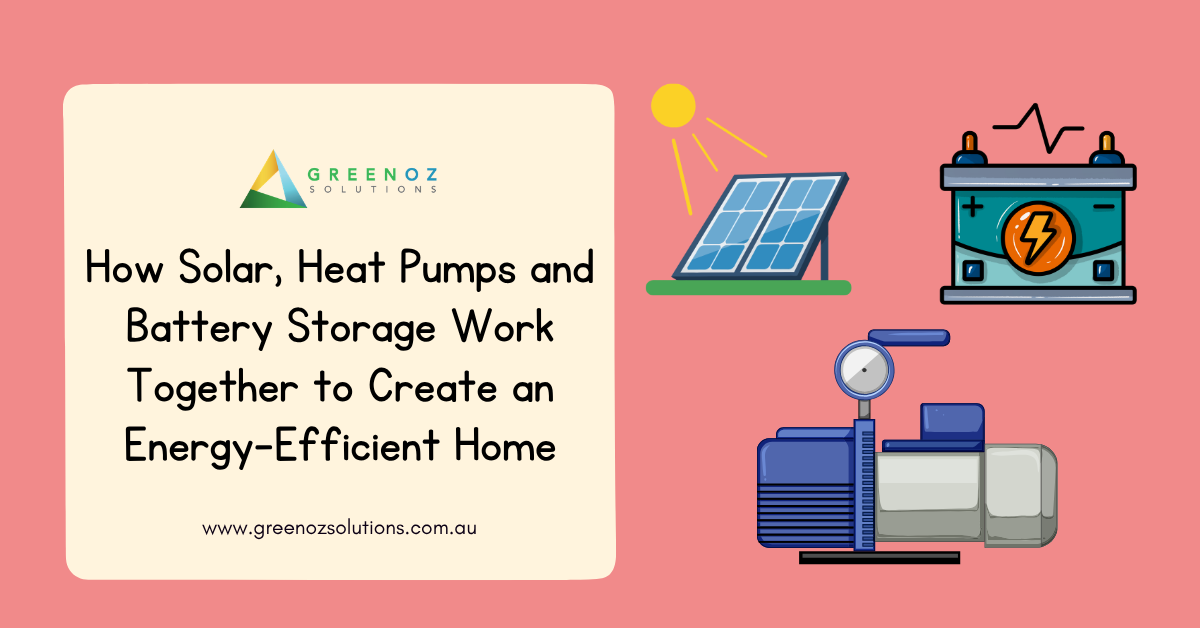
Installing a solar panel system allows households to generate their own electricity from sunlight. Instead of relying entirely on the grid, homeowners can produce a portion of their own energy and reduce their dependence on external power sources.
A solar panel system can significantly reduce electricity costs over the long term while supporting broader sustainability goals. Renewable energy also helps reduce greenhouse gas emission levels by reducing reliance on traditional energy generation methods.
Many homeowners view solar as an investment that delivers both financial and environmental benefits. It can help reduce energy costs, lower electricity bills, and contribute to a smaller carbon footprint.
As renewable energy adoption continues to grow, Australian homes are playing an important role in supporting a cleaner and more sustainable future.
Small Changes That Can Lower Your Energy Bill
Sometimes the biggest improvements come from the smallest actions.
Closing curtains during hot afternoons can help keep indoor temperatures stable. Sealing drafts around windows and doors reduces the energy needed to heat or cool a home. Ceiling fans can help improve airflow and reduce reliance on air conditioning systems.
Adjusting thermostat settings by just a few degrees can significantly reduce electricity consumption throughout the year. These adjustments require little effort but often produce noticeable results.
Households that focus on practical ways to reduce energy use frequently discover that energy savings come from consistent habits rather than major changes.
The combination of multiple small improvements can help lower your bills and create a more comfortable living environment at the same time.
Building a More Energy-Smart Home for the Future
Creating a more efficient home is not about perfection. It’s about making smarter choices over time.
Every household has unique energy needs, but the principles remain the same. Understanding how energy is used, reducing waste, improving efficiency, and investing in better technologies can all contribute to better outcomes.
Homeowners who focus on improving household energy performance often experience lower operating costs, increased comfort, and reduced environmental impact. These benefits continue year after year.
As technology continues to evolve, energy consumers in homes have more opportunities than ever to improve efficiency and reduce costs. Whether it’s upgrading appliances, investing in renewable energy, or simply being more conscious about daily habits, every improvement helps.
The goal is to create a home that works smarter, uses less electricity, and delivers long-term value for both your family and the environment.