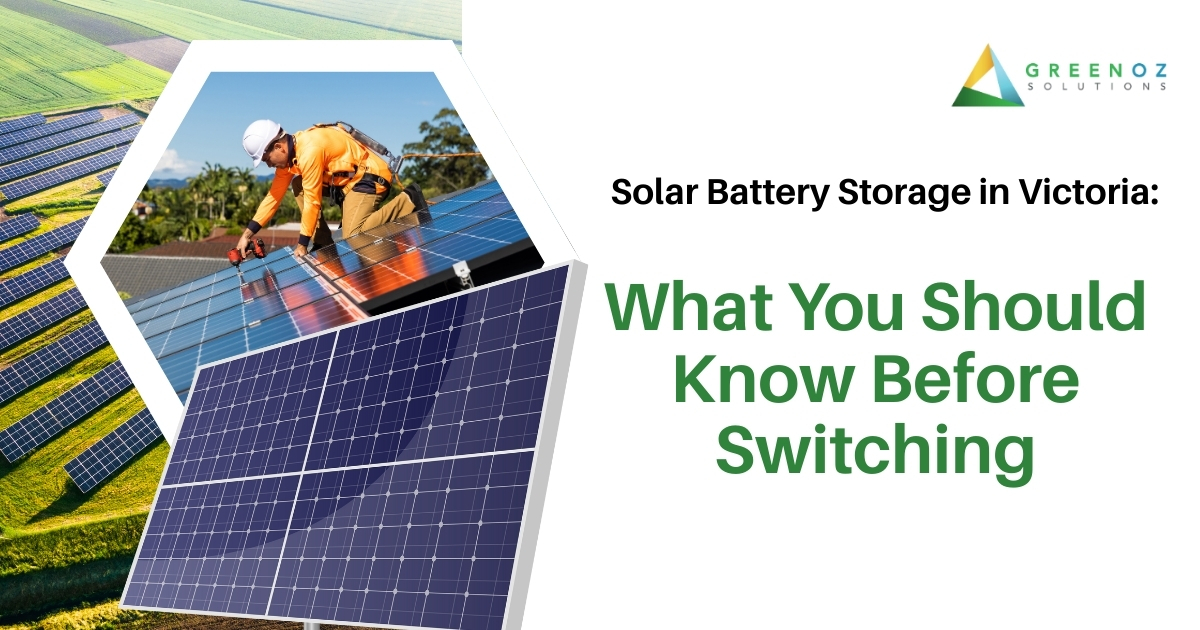
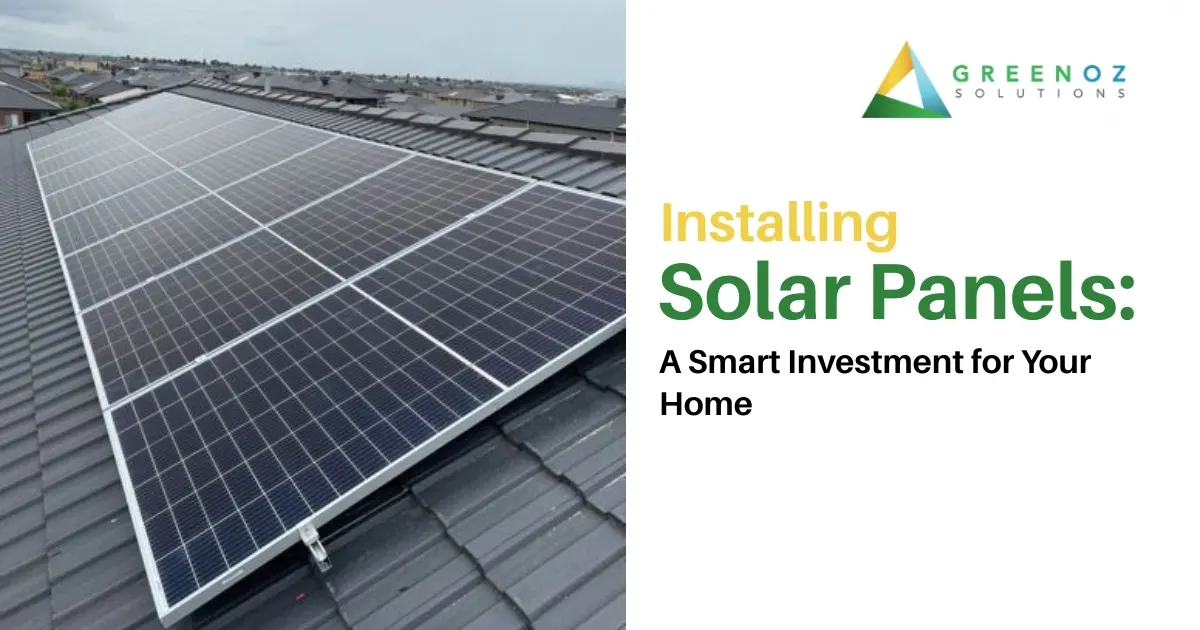
As electricity prices rise and sustainability becomes a priority, homeowners across Victoria are exploring smarter ways to manage energy. Residential energy storage Victoria solutions allow households to store excess electricity and use it when needed, reducing grid reliance while improving energy independence. This guide explains how residential energy storage works, its benefits, and why it’s becoming essential for future-ready homes.
What Is Residential Energy Storage?
Residential energy storage systems store electricity – usually generated by rooftop solar panels for later use. Instead of sending unused solar power back to the grid, batteries retain that energy so it can be used during evenings, peak demand hours, or power outages.
These systems provide homeowners with greater control over energy consumption while improving efficiency. Stored power ensures consistent electricity availability, even when solar panels are not actively generating energy.
Why Energy Storage Is Gaining Popularity in Victoria
Victoria’s energy landscape is shifting rapidly toward renewables. Government incentives, rising electricity costs, and increasing awareness of climate responsibility are driving adoption. Residential batteries allow homeowners to maximize solar usage and reduce dependence on fluctuating grid prices.
With more households installing solar systems, storage solutions have become the missing link in achieving long-term savings and sustainable living.
Benefits of Solar Battery Storage for Homes
Solar battery storage Victoria systems provide multiple advantages beyond cost savings. Homeowners can reduce peak-time electricity usage, increase self-consumption of solar energy, and protect against power disruptions.
Energy storage also supports grid stability by lowering demand during peak hours. Over time, this contributes to a more resilient and environmentally responsible energy network across the state.
Residential vs Commercial Battery Storage
While residential systems are designed for homes, commercial battery storage Victoria solutions cater to businesses with higher energy demands. Commercial systems are larger, often integrated with energy management software, and focus on load balancing and operational efficiency.
Residential systems, on the other hand, prioritize household usage, affordability, and compact design. Both play a vital role in reducing grid strain and supporting renewable energy adoption.
Choosing the Right Energy Storage System
Selecting the right battery depends on household energy usage, solar system size, budget, and future expansion plans. Factors such as battery capacity, lifespan, warranty, and compatibility with existing solar panels should be considered carefully.
Professional assessment ensures the system is tailored to individual needs, delivering maximum performance and long-term value.
Installation and Maintenance Considerations
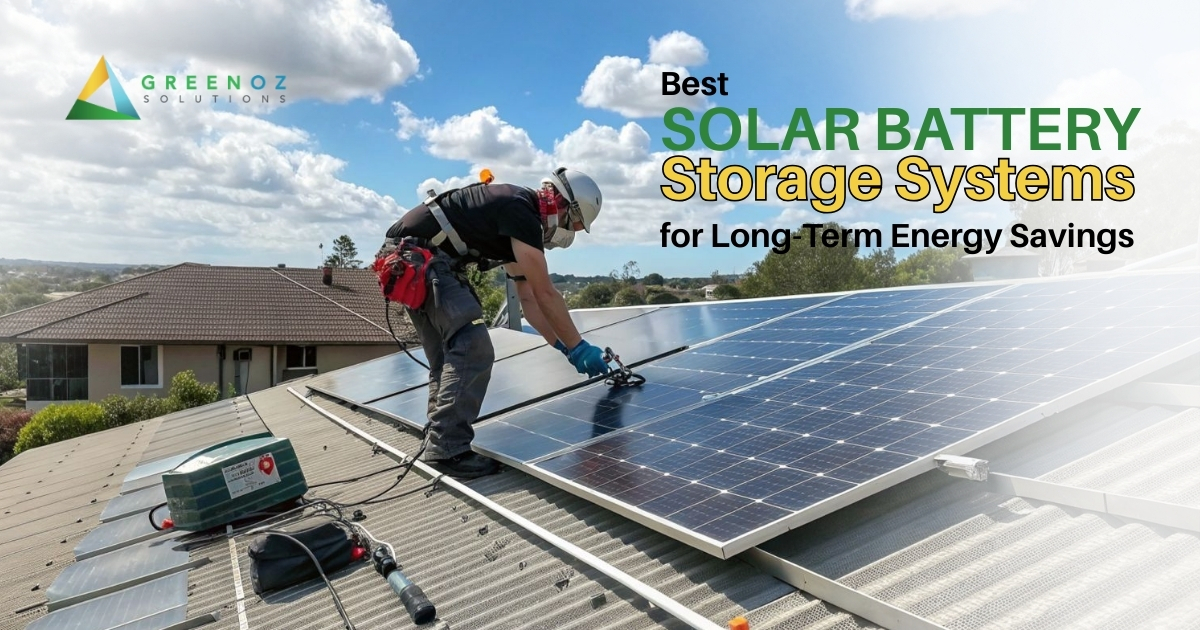
Proper installation is crucial for safety and efficiency. Licensed professionals ensure correct system integration, compliance with local regulations, and optimal placement for performance. Maintenance requirements are minimal, but periodic monitoring helps maintain efficiency and extend battery life.
A professionally installed system offers peace of mind, consistent energy supply, and dependable performance for years.
Key Takeaways
Energy storage is no longer a luxury – it’s a practical investment in sustainability and cost control. Residential energy storage Victoria solutions empower homeowners to take charge of their power usage while supporting a cleaner energy future. With expert guidance and tailored solutions from Greenoz Solutions, households can confidently transition toward smarter, more sustainable energy independence.
FAQs
1. How does residential energy storage benefit homeowners in Victoria?
Residential energy storage helps homeowners store excess solar energy for later use, reducing reliance on the electricity grid. It lowers energy bills, protects against power outages, and improves overall energy efficiency. Over time, it supports sustainability goals while providing greater control over household electricity usage.
2. Is solar battery storage worth the investment for homes?
Yes, solar battery storage Victoria systems are a valuable long-term investment. They allow homeowners to maximize solar usage, reduce peak electricity costs, and protect against rising energy prices. When combined with government incentives and reduced grid dependence, batteries often pay for themselves over time.
3. How long do residential battery storage systems last?
Most residential battery systems have a lifespan of 10 to 15 years, depending on usage patterns, battery type, and maintenance. Quality systems include performance warranties that guarantee efficiency over time, ensuring reliable power storage and consistent savings throughout the battery’s operational life.
4. Can residential energy storage work without solar panels?
Yes, energy storage systems can function without solar panels by charging from the grid during off-peak hours. However, pairing storage with solar maximizes savings and sustainability. Solar integration allows homeowners to store renewable energy rather than relying solely on grid electricity.
5. How is residential energy storage different from commercial battery systems?
Commercial battery storage Victoria systems are larger and designed for higher energy demands, focusing on operational efficiency and peak load management. Residential systems are smaller, cost-effective, and tailored for household use, prioritizing energy independence, affordability, and ease of installation.